Home is more than just a physical shelter; it is the primary environment where our lives unfold, our families grow, and our bodies heal. In recent years, there has been a massive global shift toward prioritizing healthcare and wellness within our own living spaces. Whether you are caring for an aging parent, recovering from a major surgical procedure, or simply trying to cultivate a safer lifestyle for your household, understanding the fundamentals of home health is vital.
Managing health at home can initially feel overwhelming, especially when faced with medical equipment, medication schedules, and safety protocols. However, breaking the concept down into foundational pillars makes creating a nurturing, health-conscious environment completely manageable. This article explores the basic components of effective home health management, focusing on environment, safety, and daily routines.
Creating a Safe and Accessible Environment
The very first step in home health has less to do with medical tools and everything to do with physical space. A home that is poorly organized can present severe hazards, particularly for individuals with limited mobility, balance issues, or chronic illnesses.
1. Fall Prevention and Hazard Removal
Falls are the leading cause of accidental injury in home care settings. To minimize this risk, perform a thorough walk-through of your living space. Remove loose throw rugs, clear electrical cords from walkways, and ensure that clutter is kept off the floor.
2. Enhancing Visibility
Inadequate lighting is a frequent contributor to domestic accidents. Install bright, energy-efficient LED bulbs in hallways, stairwells, and bathrooms. Adding motion-activated nightlights along the path from the bedroom to the bathroom can drastically improve safety during nighttime hours.
3. Bathroom Modifications
The bathroom is statistically the most dangerous room in the house due to slippery, wet surfaces. Installing sturdy grab bars near the toilet and inside the shower can provide essential support. Additionally, utilizing non-slip rubber mats inside the tub and placing a specialized shower chair can make daily hygiene routines much safer and more comfortable.
Medication Management and Organization
For many individuals requiring home health care, managing multiple prescriptions, over-the-counter vitamins, and dietary supplements is a daily reality. Mismanaging these medications can lead to dangerous drug interactions or a failure to properly treat underlying conditions.
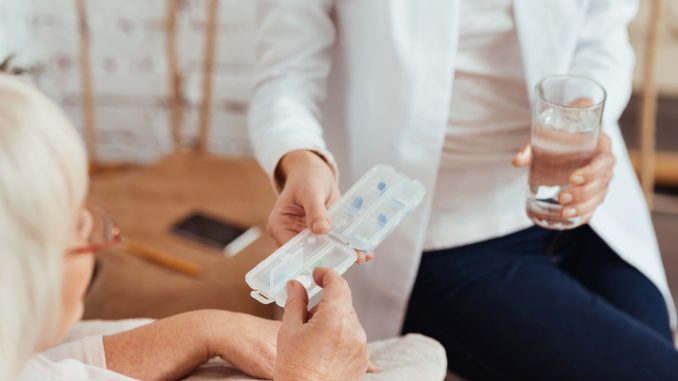
To keep everything structured, invest in a high-quality, compartmentalized pill organizer that separates medications by the days of the week and times of the day (morning, noon, and night). Keep an updated, printed list of all current medications, including precise dosages and purposes, in an easily accessible location. This list is invaluable during routine doctor appointments or in the event of an unexpected medical emergency when paramedics need information quickly.
Furthermore, always store medications exactly as directed by the pharmacist, keeping them away from hot, humid areas like the bathroom cabinet, which can degrade the effectiveness of certain pills.
Monitoring Vital Signs and Basic Health Metrics
A crucial component of home health literacy is knowing how to track basic wellness indicators. Modern technology has made medical-grade monitoring tools affordable and easy to use for the average person.
Every health-conscious home should be equipped with a few basic tools:
- Digital Thermometer: For tracking infections and sudden fevers.
- Automated Blood Pressure Monitor: Crucial for individuals managing cardiovascular health or hypertension.
- Pulse Oximeter: A small device that clips onto the fingertip to measure blood oxygen levels and heart rate within seconds.
Learning how to use these devices properly and recording the readings in a simple daily logbook allows you to spot negative health trends early. If you notice a steady, unexplained rise in blood pressure or a sudden drop in oxygen levels, you can contact a primary care physician for guidance before the situation escalates into an emergency.
Conclusion
Mastering the basics of home health does not require a formal medical degree. Instead, it relies on mindfulness, consistent organization, and a proactive approach to safety. By deliberately modifying your physical environment to prevent accidents, implementing a strict system for tracking medications, and learning to monitor basic vital signs, you transform your home into a powerful sanctuary for healing and long-term wellness.
Ultimately, investing time and energy into these foundational home health practices provides something far more valuable than simple convenience: it delivers profound peace of mind, allowing you and your loved ones to live safely, comfortably, and independently for years to come.